A skin undertone test can help with hair color, but only if you treat it as a set of clues. Veins, jewelry, photos, and fabric comparisons can all be wrong alone.
The useful answer is not a label for its own sake. It is whether your hair color should lean warm, cool, or neutral near your face.
Use the vein test carefully
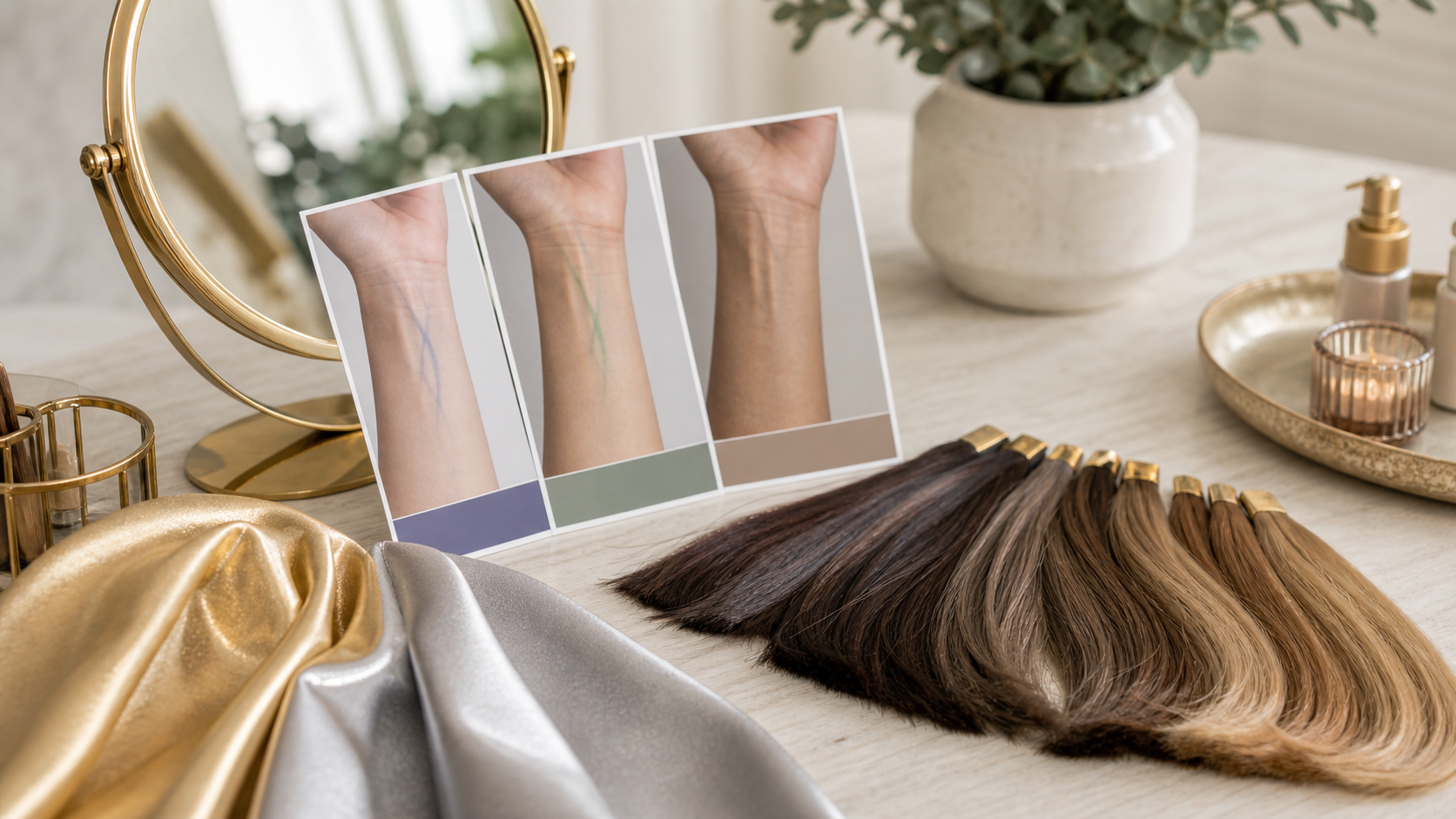
Blue or purple veins often suggest cool undertones, while greenish veins can suggest warm or olive undertones. Mixed veins may point to neutral coloring.
But lighting, skin depth, and camera processing can distort vein color. Use this as one clue, not the final decision.
Compare gold and silver near your face
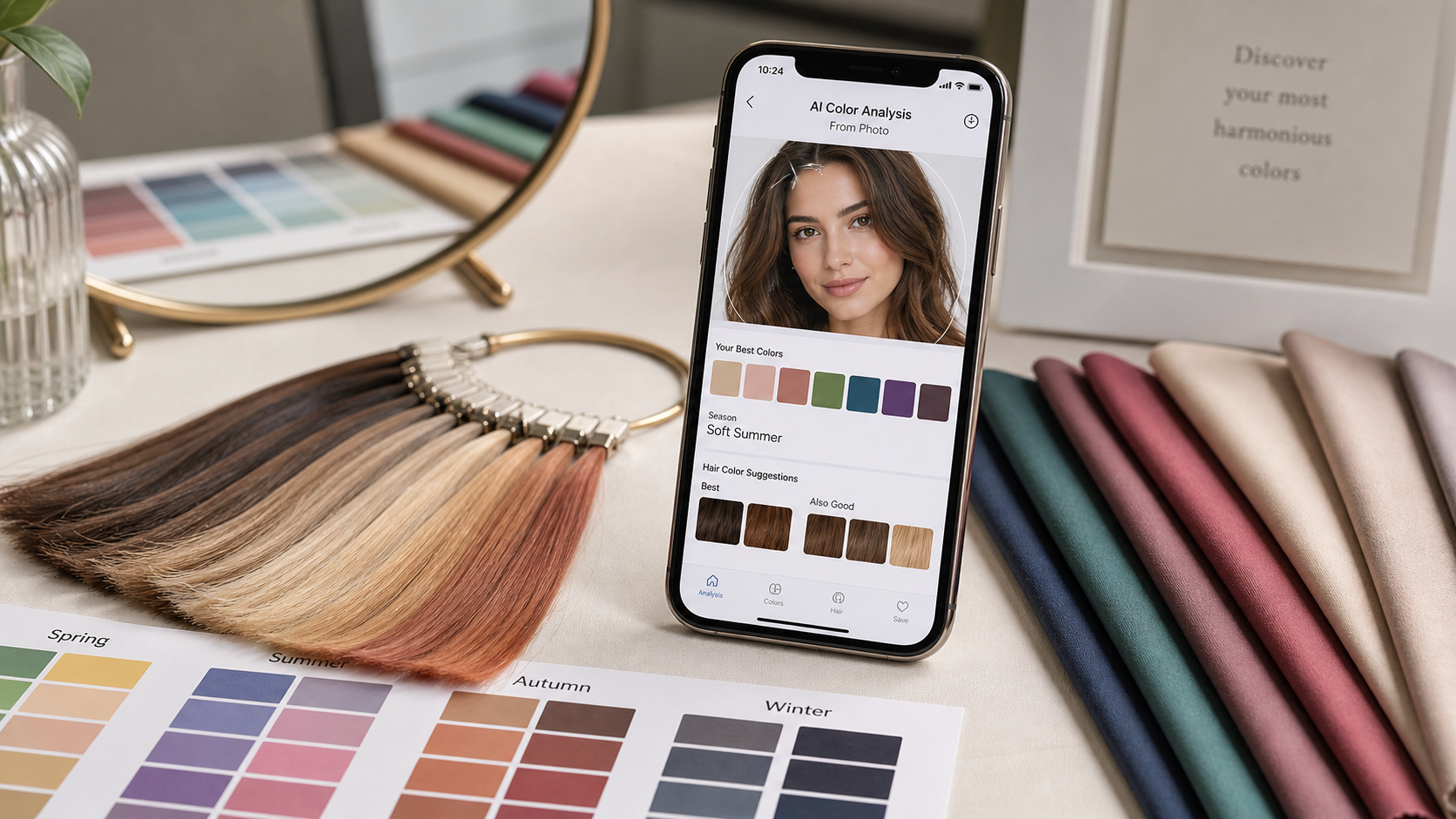
For a fuller read, use Color Analysis and compare the result with simple home tests. Gold versus silver can show whether warmth or coolness makes your skin look clearer.
If both metals look fine, you may be neutral or olive. That usually means hair color should avoid extremes.
Take daylight photos
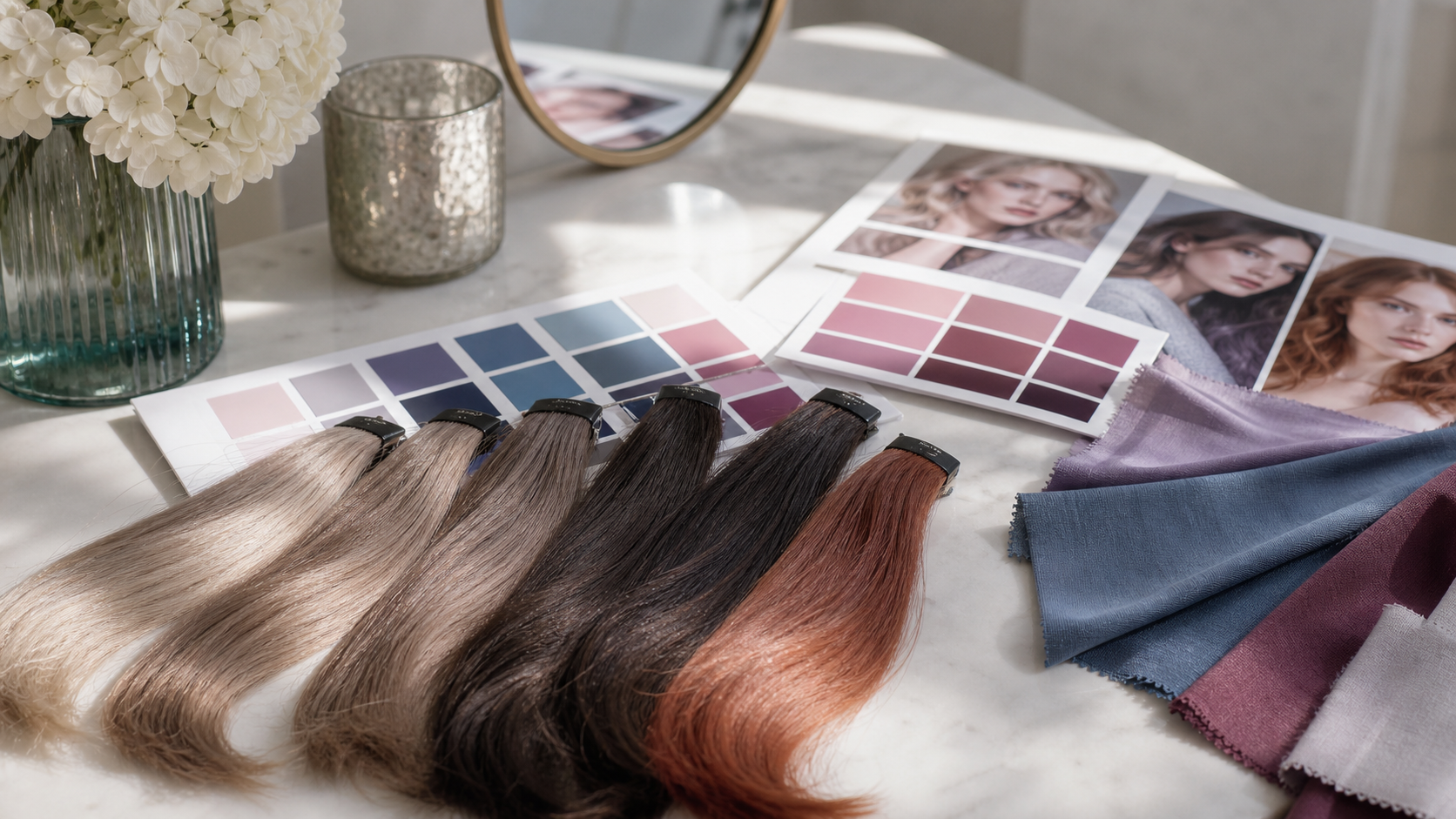
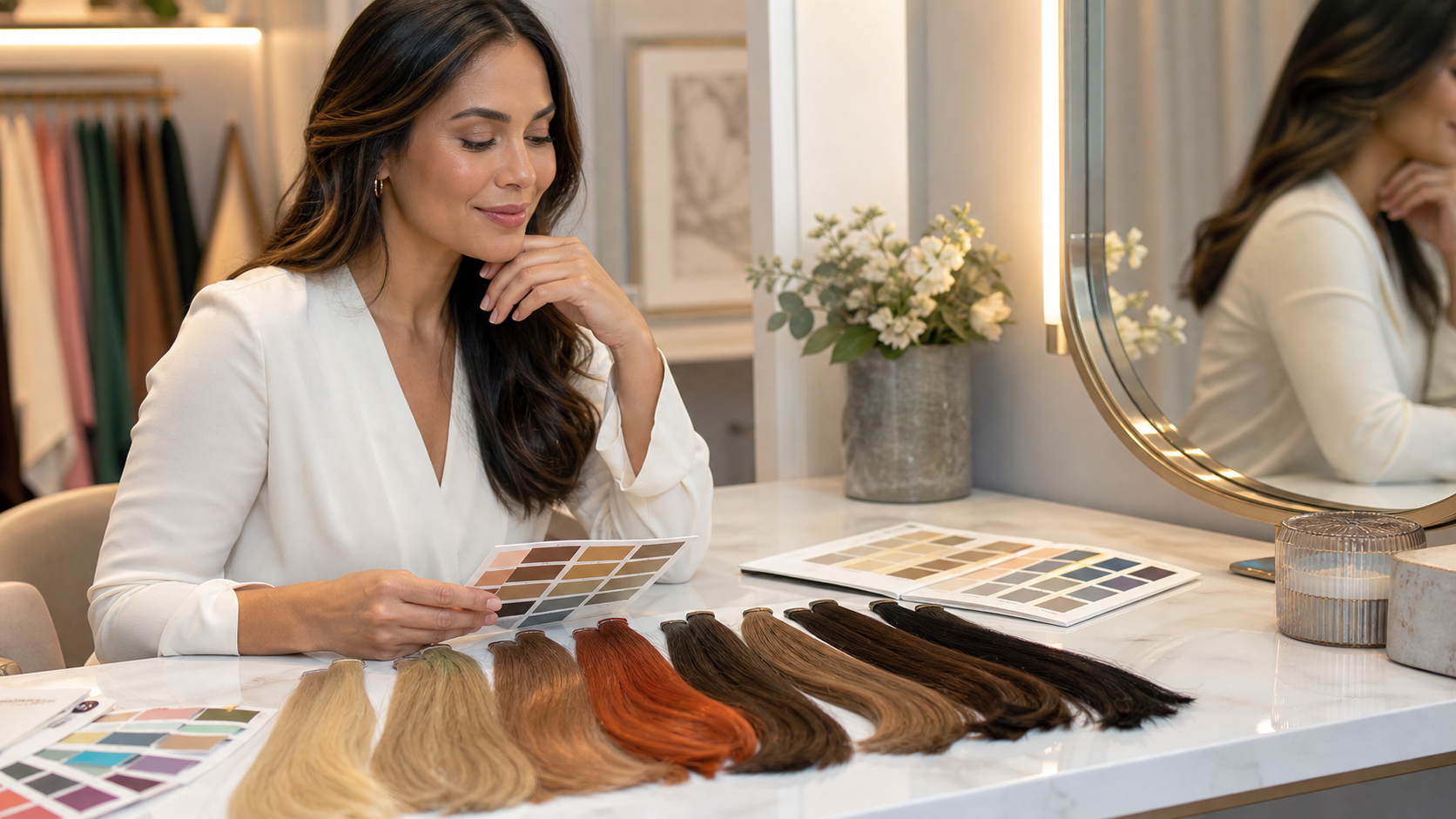
Use indirect daylight, no heavy makeup, and the same background. Hold warm brown, cool brown, golden blonde, and ash blonde swatches near your face if you have them.
Look for skin clarity, not which swatch you personally like most. The right temperature usually makes shadows softer and lips more defined.
Account for hair history
Your undertone may say cool brunette, but your current hair may lift warm. That affects the technical plan.
Bring your undertone direction to a colorist, then let them decide formula, toner, and timing.
Use neutral as a valid result
Neutral is not a failure. It often means you can wear several shade families if the depth and contrast are right.
Neutral hair colors like beige brown, neutral brunette, and balanced chestnut can be more flattering than forcing either icy or golden extremes.