The best hair color for your skin tone is rarely a single shade name. It is usually a range: warm or cool, soft or clear, light or deep, muted or high contrast.
That is why color analysis helps. Instead of asking whether brown, blonde, red, or black is fashionable this year, it asks how a shade behaves next to your skin, eyes, and natural contrast.
Start with undertone, not just surface color
Skin tone tells you how light or deep your complexion appears. Undertone explains the temperature underneath it. Two people can both have fair skin, yet one looks calmer in ash blonde while the other comes alive in honey blonde.
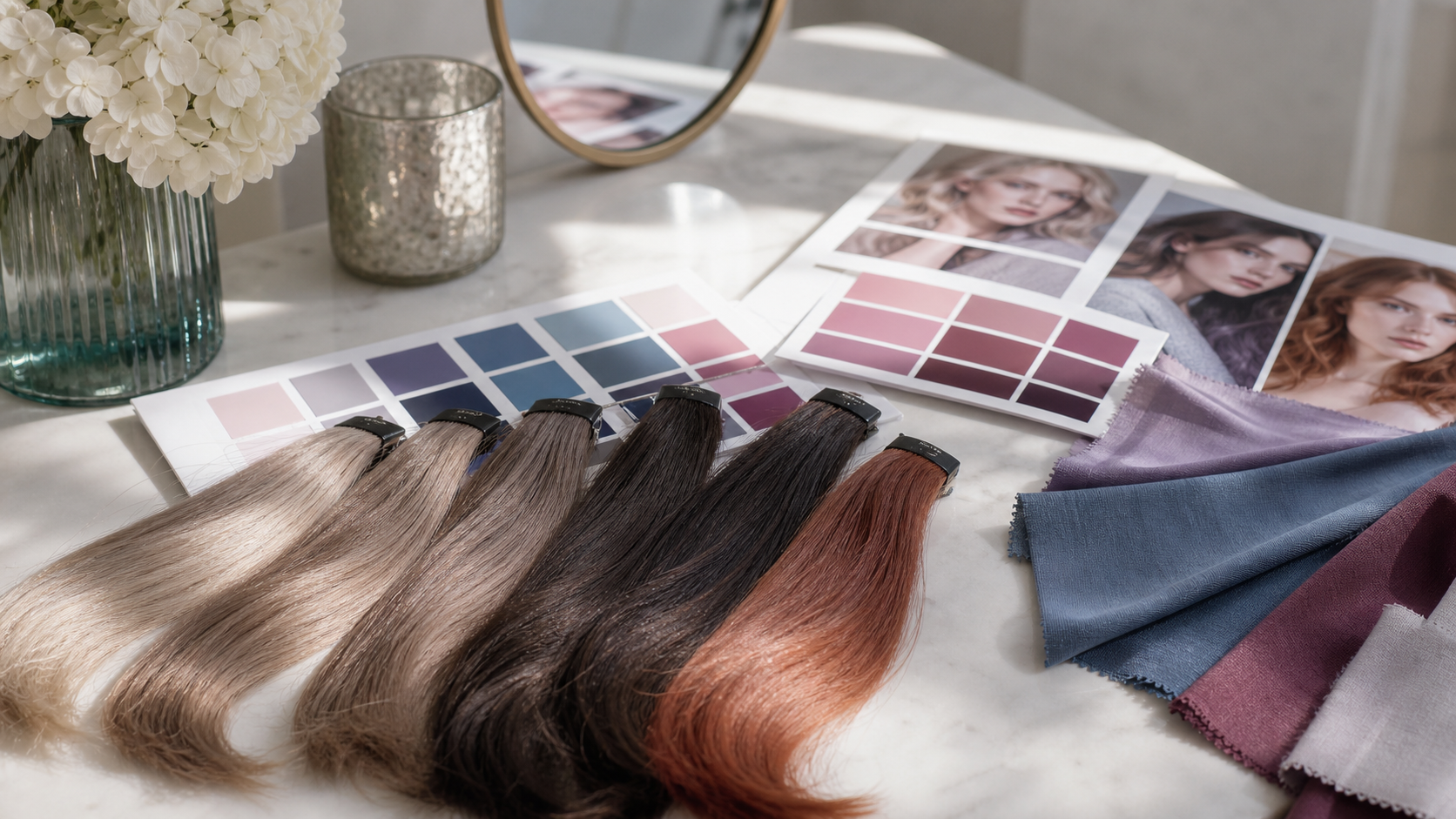
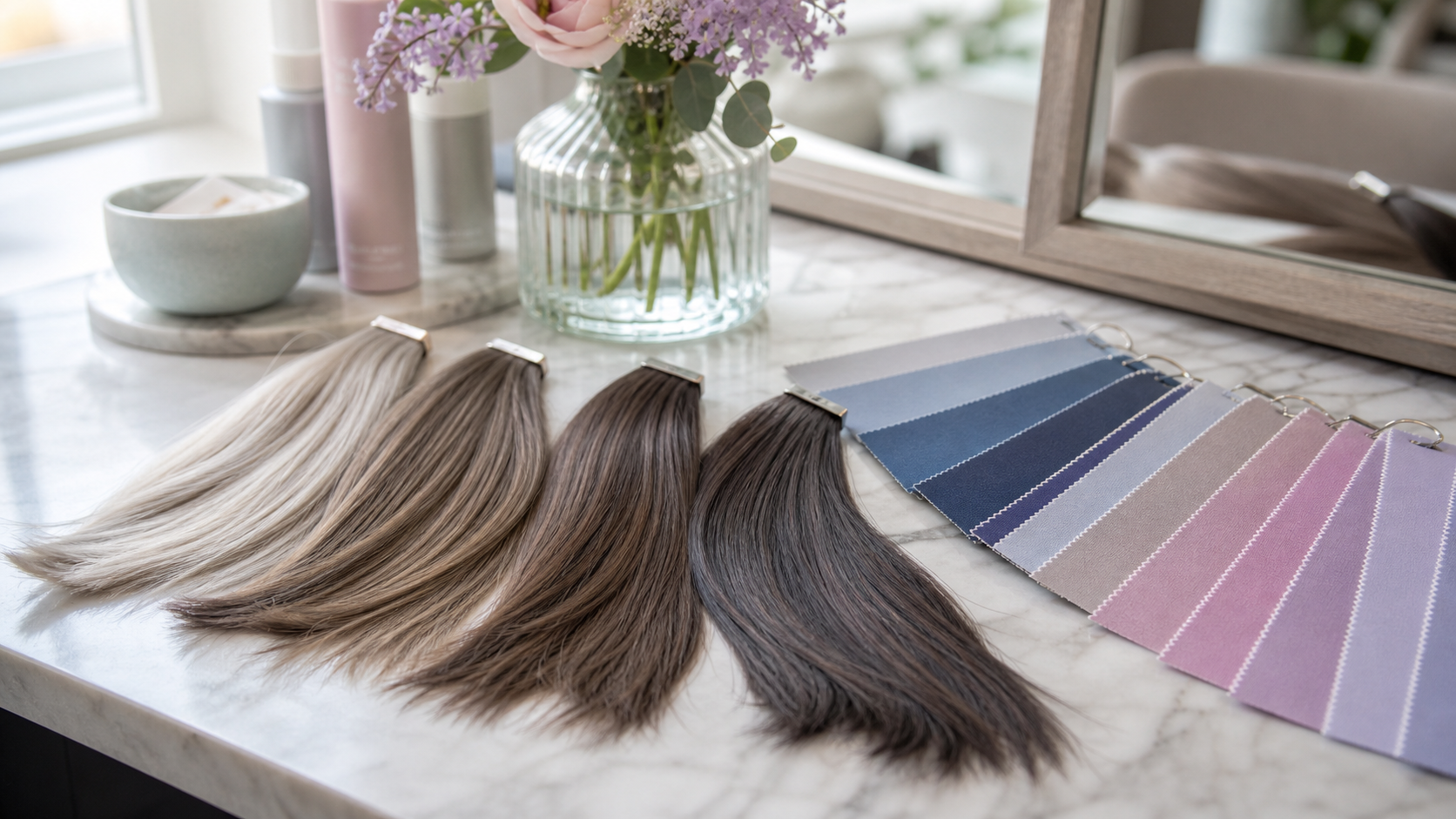
Use a skin tone chart only as a starting point. Then compare warm, cool, and neutral hair swatches near your face in daylight. If a shade makes redness, shadows, or dullness more visible, it is probably fighting your undertone.
Use color analysis to narrow the range
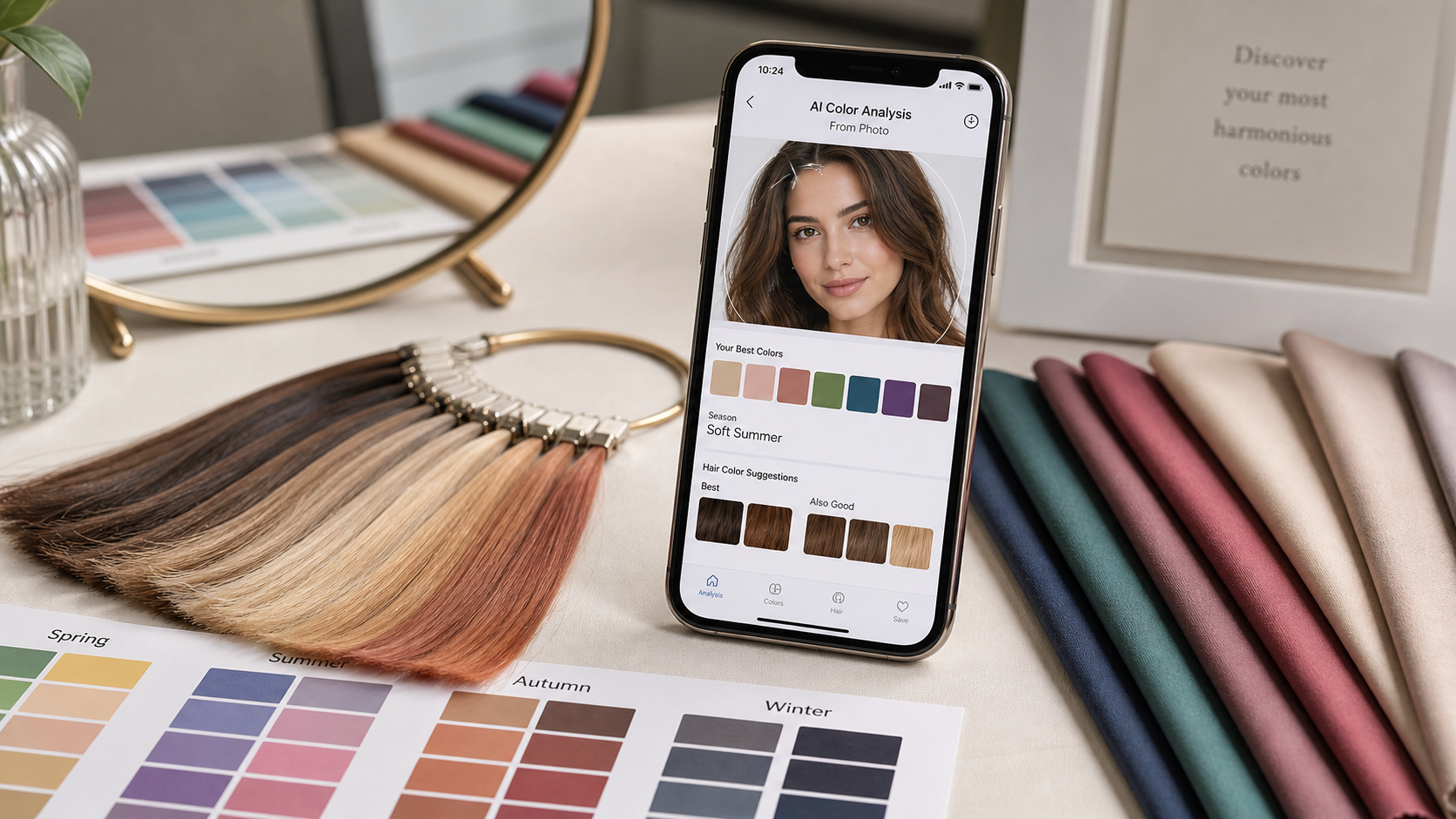
A seasonal palette gives you a cleaner shortlist. Soft Summer, Deep Winter, Warm Spring, and Deep Autumn can all wear brunette, but the best brunette will not be the same. One may need muted cocoa, another blue-black, another golden chestnut.
If you are unsure where you land, run a quick palette check with Color Analysis before choosing dye. The result can help you avoid a shade that looks beautiful on someone else but too heavy, too orange, or too flat on you.
Match hair depth to your natural contrast
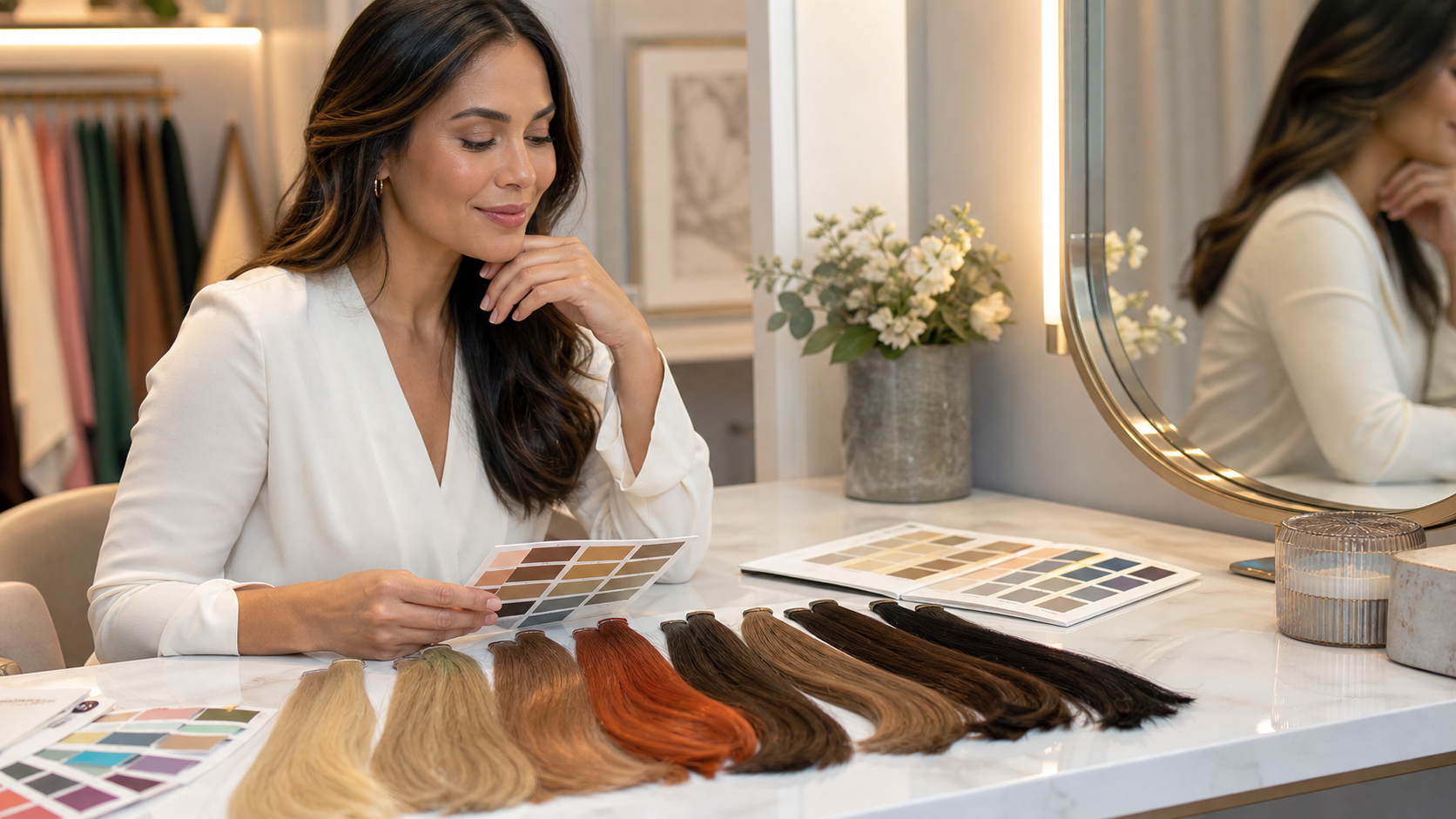
Contrast matters as much as undertone. Low-contrast coloring usually looks better with soft transitions: beige brown, muted copper, mushroom brown, or dark blonde. High-contrast coloring can handle deeper espresso, black-brown, or clear auburn.
A dramatic hair change can still work, but it needs support from makeup, brows, and clothing. If you want low-maintenance color, stay close to the depth your features already suggest.
Check the shade in real light
Salon lighting can flatter almost anything for a few minutes. Step near a window and compare the shade against your face without heavy makeup. Watch the jawline, under-eye area, and lips.
A good shade makes the face look more even before styling. A weak shade usually needs extra bronzer, lipstick, or a brighter outfit to feel balanced.
Keep the final choice wearable
The most useful hair color is not just technically correct. It should fit your routine, wardrobe, and tolerance for upkeep. Cool blondes need toning, red shades fade quickly, and very dark colors show regrowth on lighter hair.
Choose the best range first, then pick the version you can maintain. That is where color analysis becomes practical rather than strict.